


What’s Covered
A Day In The Life Of Smart Care
The Silent Guardian:How AI Sees More Than The Human Eyes
Transforming Response Times: From Panic to Proactive Care
Beyond Safety: AI Boosting Resident Well-Being and Independence
Seamless Integration: Blending AI Innovation With Heartfelt Care
The Road Ahead: AI and the Future of Elderly Care
Transforming Resident Safety with AI-Powered Monitoring in Care Homes
Introduction
In a smart care home, technology enhances safety and independence. AI monitoring will observe residents 24/7 by detecting early signs detecting risks early to prevent accidents. Sensors, wearable devices, and real-time alerts ensure help is always available. When staff respond faster, residents can work efficiently. This innovation and care transformation gives safety and peace of mind to everyone.
A Day In The Life Of Smart Care
In a modern care home, mornings begin with confidence. Residents wake and move through their routines, while AI monitoring works in the background. Throughout the day AI continues monitoring during breakfast, social activities, and therapy sessions. This proactive method transforms resident safety and prevents falls and medical noncompliance before the risk occurs.
Even in the evenings, AI doesn’t take rest. AI-powered resident monitoring doesn't replace human compassion but it becomes strengthened. Staff will continually check the routine tasks and focus, knowing technology can provide safety with sleep. This will help the staff to live with confidence and independence and reassure them that help is just a notification away.
The Silent Guardian:How AI Sees More Than The Human Eyes
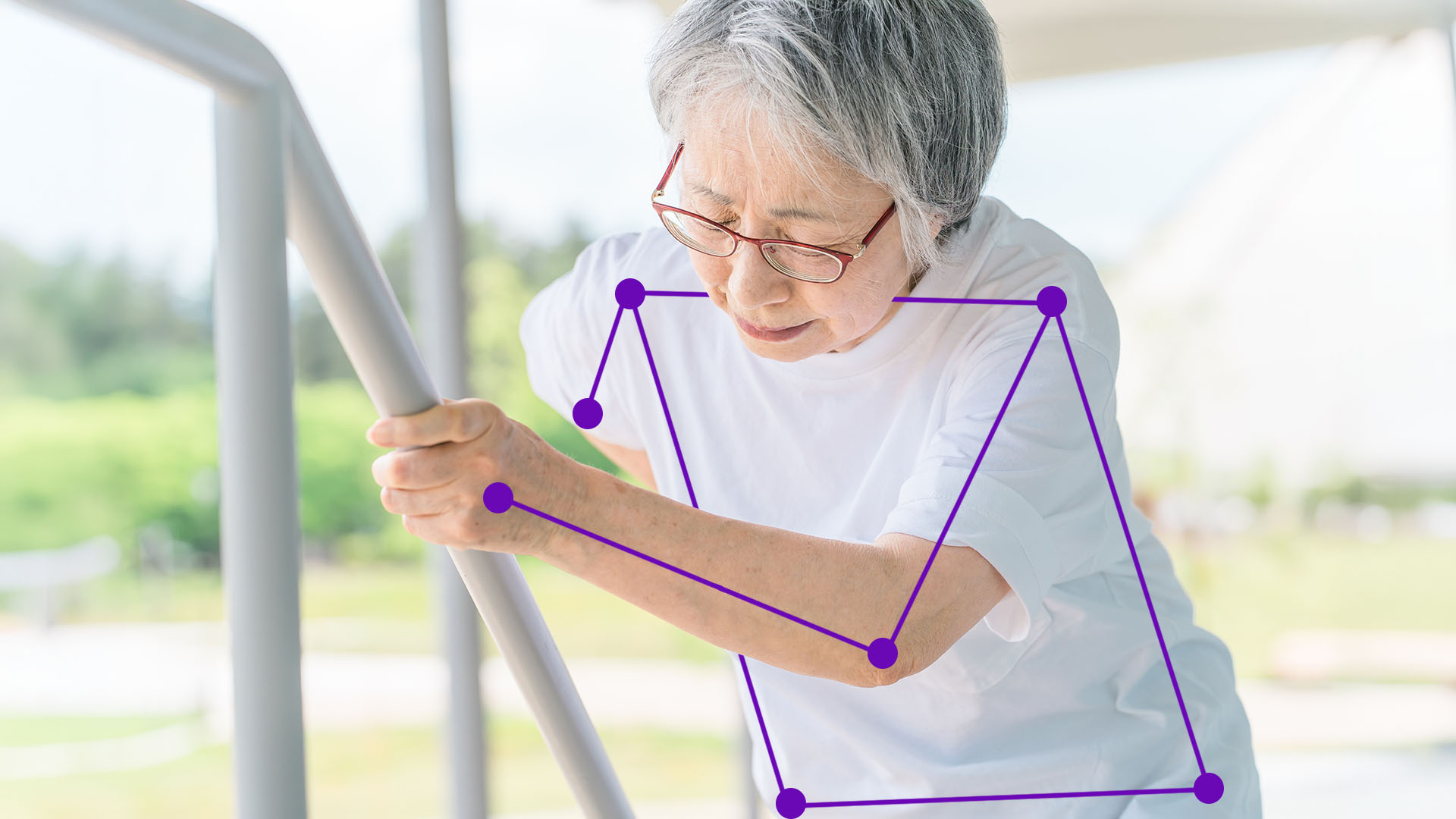
AI is revolutionizing safety through elderly care solutions. Using motion sensors, acoustic pattern recognition, and wearable devices, AI can continuously observe daily routines, learn resident habits, and instantly flag anomalies. This technology is designed to understand daily patterns and support real-time health monitoring. Motion sensors are placed to track movement. Acoustic pattern recognition detects sounds related to fall incidents or sudden cries for help.
Wearable devices such as watches act as safety nets. If a critical situation occurs, these devices notify both staff and family members. For example, Martin is 84 years old and is in his private room at the facility. One morning, his wearable device detected a sudden fall while he was walking in the garden. The fall detection system immediately notified his daughter and care staff, who sought help. This early detection helped him recover safely.
Transforming Response Times: From Panic to Proactive Care
Traditional monitoring relies on manual checks, often causing stress, errors, and delayed alerts amid caregiver panic during emergencies. AI-powered real-time monitoring shifts this to proactive care by continuously tracking vital signs, movement, and behavioral changes.
Hospital admissions pose a major challenge in elderly care. AI extends monitoring beyond facilities, identifying irregular heart rates or oxygen drops early. This supports AI-enabled care plans that prevent crises and reduce unnecessary hospitalizations.
Beyond Safety: AI Boosting Resident Well-Being and Independence
AI delivers holistic care by easing staff burdens like medication management, building resident confidence for greater activity.
- Monitoring: AI tracks sleep patterns to spot health issues, analyzes speech tone for emotional changes, and uses predictive analytics for proactive interventions in care homes.
- Independence: AI sends reminders for medications or unfinished activities. Chatbots like Lola, an AI companion, hold natural conversations to combat loneliness and promote mental well-being.
Seamless Integration: Blending AI Innovation With Heartfelt Care
AI Integrates seamlessly into care plans, supports caregivers, and reduces administrative pressure. This helps staff to spend more time with residents.
- It checks daily routines like real-time health monitoring, vital sign alerts, automated documentation, and predictive analysis.
- AI acts as an assistant to human experts. It supports caregivers in decision making, and provides accurate information. It has ethical safeguards and dignity and maintains data privacy and transparency with family members.
- This will maintain trust between family members and care providers successfully.
Benefits of AI
- Turning innovation into impact, which means AI is proving its value in real-world solutions for residents and caregivers.
- AI can analyze daily patterns such as movement, sleep, and AI predicting illness weeks in advance levels, which give early signs.
- Smart sensors can collect all the information of residents. AI reports resident’s health trends for shift handovers.
- Caregivers can spend more time with residents rather than on paperwork.
- Families receive greater emotional reassurance that AI provides.
The Road Ahead: AI and the Future of Elderly Care
The future of elderly care is shaped with Artificial Intelligence (AI) to provide high-quality care. It’s also improving the resident’s safety and supporting the independence of older adults. Predictive analytics in care homes have the ability to identify health risks before emergencies. It can identify health conditions, such as infections and dehydration.
AI Future care plans in elderly care are defined by personalized care. Devices such as AI-enabled smart clothing and health sensors will continually monitor signs and activity levels. AI will work on the tasks of prediction, analysis, and documentation.
Call to Action: Embrace AI for Safer, Smarter Care
Artificial intelligence in resident safety provides greater confidence to caregivers. By adopting AI, care providers can transform daily routines into more responsive care. AI-powered resident monitoring operates quickly, offers early alerts, and maintains dignity to ensure quality care.
Embrace AI today. Partner with smarter technology. Book a demo and experience how AI can make care even stronger.
Frequently Asked Questions
How does AI-powered monitoring improve resident safety in care homes?
What types of AI technologies are used in monitoring care home residents?
How does AI monitoring support staff in providing better care?
Are there privacy and ethical considerations when implementing AI monitoring?
What are the future trends of AI in resident safety and care?





Copyright © 2026. All rights reserved.


